
CJC-1295/Ipamorelin vs BPC-157: 2026 Comparison Guide
CJC-1295/Ipamorelin vs BPC-157: 2026 Comparison Guide
CJC-1295/Ipamorelin is a growth hormone secretagogue stack aimed at boosting GH pulses for body composition and recovery, while BPC-157 is a gastric-derived peptide researched for tissue and gut repair. They’re often stacked rather than compared head-to-head, but each carries distinct mechanisms, timing needs, and monitoring demands. This guide breaks down how each works, when people combine them, and how to track the stack without losing track of doses, sites, or side effects.
Table of Contents
- How These Two Peptides Actually Differ
- CJC-1295/Ipamorelin: The GH Pulse Stack
- BPC-157: The Repair-Focused Peptide
- Stacking Them Together: What Changes
- Tracking a Multi-Peptide Protocol Without Losing the Thread
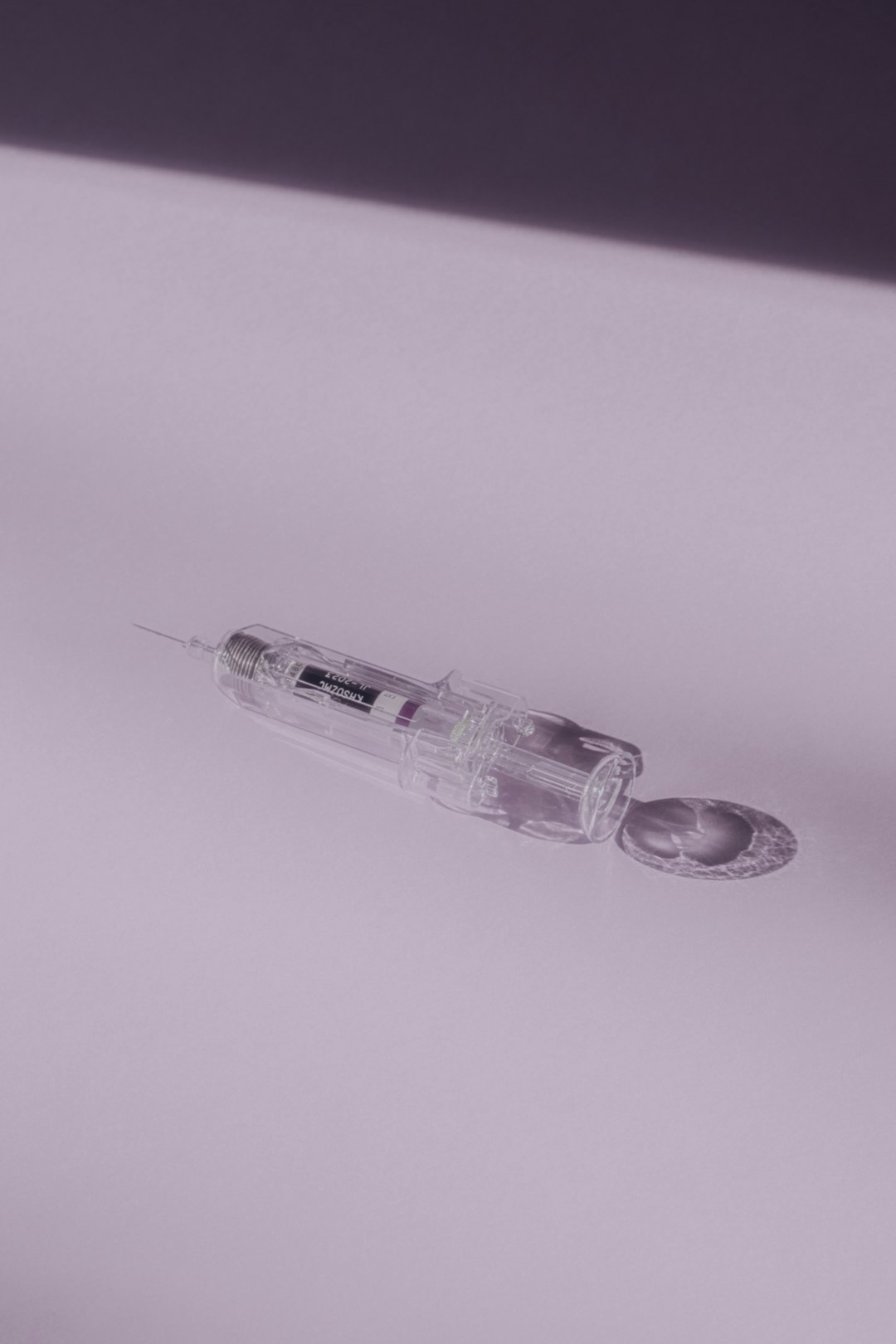
How These Two Peptides Actually Differ
CJC-1295/Ipamorelin and BPC-157 get lumped into the same conversations because they’re both popular in self-directed peptide protocols, but they don’t compete for the same job. CJC-1295 is a growth hormone-releasing hormone (GHRH) analog, and Ipamorelin is a growth hormone secretagogue (GHRP) that mimics ghrelin’s receptor activity. Paired together, they amplify natural GH pulses, which is why the combination shows up in body composition, recovery, and sleep-quality discussions. BPC-157, by contrast, is a synthetic fragment derived from a protective protein found in gastric juice, and most of the research interest centers on tissue repair — tendons, ligaments, and gut lining — not GH signaling at all. In practice, someone might run CJC-1295/Ipamorelin for months as a baseline protocol, then add BPC-157 for a specific injury window. Comparing them as if they’re interchangeable options misses the point: they’re typically complementary tools, not alternatives, and treating them that way changes how you should dose, time, and log each one. The confusion usually starts because both peptides show up on the same forums, in the same starter kits, and often get bundled together by suppliers as a general ‘recovery and performance’ package, even though the underlying biology has almost nothing in common. Understanding that distinction upfront saves a lot of wasted troubleshooting later — if body composition isn’t shifting, the problem is more likely in the GH secretagogue timing than in BPC-157 dosing, and vice versa for a soft-tissue injury that isn’t improving. For a broader look at where CJC-1295/Ipamorelin sits against other GH-focused peptides, see this comparison of CJC-1295/Ipamorelin vs Tesamorelin.
CJC-1295/Ipamorelin: The GH Pulse Stack
CJC-1295 has a half-life that varies significantly depending on formulation — the DAC (Drug Affinity Complex) version extends activity to roughly 6-8 days, while non-DAC versions clear in a matter of hours, according to peptide research summaries cited by Examine.com. Ipamorelin’s half-life is much shorter, often cited around 2 hours, which is why most protocols use it in tight timing windows, typically before bed or upon waking, to align with natural GH release patterns. The pairing is popular because CJC-1295 sustains a steady GHRH signal while Ipamorelin triggers a cleaner GH pulse without meaningfully raising cortisol or prolactin, a selling point compared to older GHRPs like GHRP-6. Typical self-directed protocols run daily subcutaneous injections for 8-12 week cycles, though exact dosing varies widely by source and individual goals. The tradeoff is that results build slowly — body composition or sleep changes are usually reported after several weeks of consistent dosing, not days. Missing doses or inconsistent timing tends to blunt the pulsatile effect entirely, which is part of why adherence tracking matters more here than with a once-daily oral medication. Because the GH pulse is tightly tied to circadian rhythm and fasting state, even small scheduling drift — injecting an hour or two later than usual, or dosing after a late meal — can meaningfully change the response people report, which is a subtlety that’s easy to miss without a log showing the pattern over weeks. Many self-directed users also cycle off periodically, running 8-12 weeks on followed by a break, based on the theory that continuous secretagogue use may blunt receptor sensitivity over time, though the evidence for this specific practice is mostly anecdotal rather than clinically established. If you’re deciding between this stack and a longer-acting GHRH analog, this dosing protocol guide for CJC-1295 and Ipamorelin walks through timing in more depth.
BPC-157: The Repair-Focused Peptide
BPC-157 operates on a completely different axis. It’s studied primarily for its effects on angiogenesis and tissue healing, with animal research suggesting benefits for tendon, ligament, and gastrointestinal repair, per findings summarized by the National Center for Biotechnology Information. Human clinical data remains limited, and BPC-157 is not FDA-approved for any indication — it’s typically sourced through compounding pharmacies or research channels, which is worth noting given the regulatory gray zone it occupies. Dosing protocols people report vary widely, and cycle lengths tend to be shorter and more targeted than GH secretagogue stacks — often 4-6 weeks tied to a specific injury rather than an open-ended wellness protocol. Because BPC-157 is frequently injected near or at the site of an injury (in addition to standard subcutaneous rotation), site tracking becomes more nuanced than with systemic peptides like Ipamorelin. Some users also report subjective gut-related benefits, though this is anecdotal and not something to treat as established fact. The key practical distinction: BPC-157 protocols are usually reactive and short-term, while GH secretagogue stacks are proactive and long-term, which means they demand different tracking cadences even when run simultaneously. Because dosing is so injury-specific, two people running BPC-157 for what looks like the same complaint — say, elbow tendinopathy versus a knee ligament strain — may end up with meaningfully different injection frequency, site rotation, and cycle length, which makes generic dosing charts less useful here than for the more standardized GH secretagogue protocols.
Stacking Them Together: What Changes
When people run CJC-1295/Ipamorelin and BPC-157 concurrently, the logistics get more complicated than either peptide alone. You’re now managing two (or three, counting CJC-1295 and Ipamorelin separately) reconstitution schedules, potentially different injection sites, and two distinct symptom profiles to monitor. A single reconstituted vial of Ipamorelin might be used for months at proper storage, while BPC-157 solutions are often recommended to be discarded sooner — inconsistent shelf-stability guidance is one of the most common points of confusion in stacked protocols. Timing also diverges: Ipamorelin is frequently dosed at specific windows relative to sleep or fasting state to maximize GH pulse amplitude, while BPC-157 timing is less rigid and more often tied to daily consistency near an injury. Side-effect monitoring differs too — GH secretagogues are associated with water retention, mild flushing, or injection-site reactions, while BPC-157 users more often report site-specific soreness or, rarely, gut-related symptoms. Running both without a system to separate these variables makes it hard to know which peptide is driving which effect, which is exactly the kind of ambiguity that undermines self-directed protocol adjustments. There’s also a practical inventory problem: three separate vials (CJC-1295, Ipamorelin, BPC-157), each with its own concentration, reconstitution volume, and storage timeline, means three separate countdowns to reorder before running out mid-cycle. Missing that window on any one of them effectively breaks the whole stack’s consistency, since skipped doses on one peptide don’t pause the clock on the others.
Tracking a Multi-Peptide Protocol Without Losing the Thread
Stacking peptides multiplies the number of variables you need to hold in your head: reconstitution ratios, injection sites, symptom timing, and inventory across multiple vials with different expiry windows. A spreadsheet can technically hold all of this, but it breaks down fast once you’re rotating sites for two peptides on different schedules — this is a common failure point covered in this guide to building a peptide tracker spreadsheet. Pep was built specifically for this situation: it lets you run multiple active protocols side by side, each with its own dosing schedule, titration ladder, and reconstitution calculator, so CJC-1295, Ipamorelin, and BPC-157 don’t get tangled into one undifferentiated log. The site rotation map flags overused injection spots across all active protocols at once, not just within a single peptide’s history, which matters when you’re injecting in multiple areas per week. Symptom logging is broken down by compound, so if soreness or flushing shows up, you can trace it back to the specific peptide rather than guessing. Pro users also get adherence tracking and PK-level estimates across the full stack, giving a clearer picture of how consistently each peptide is actually being run. For anyone managing an injury-driven BPC-157 protocol alongside a longer-term GH secretagogue stack, having both timelines visible side by side — rather than reconstructed from memory or scattered notes — makes it far easier to spot whether a plateau in recovery or body composition is a dosing issue, a timing issue, or just needs more weeks to show results. You can start tracking a stacked protocol at https://hellopep.io.
Frequently Asked Questions
Can you take CJC-1295/Ipamorelin and BPC-157 at the same time?
Yes, many self-directed protocols run them concurrently since they target different systems — GH pulse amplification versus tissue repair. Doing so requires separate tracking for reconstitution, injection sites, and symptoms since they follow different timing and cycle-length logic.
What’s the main difference between CJC-1295/Ipamorelin and BPC-157?
CJC-1295 and Ipamorelin work together to boost natural growth hormone pulses, primarily for body composition and recovery goals. BPC-157 is a gastric-derived peptide studied mainly for tendon, ligament, and gut tissue repair, and is not part of the GH signaling pathway.
How long does a typical BPC-157 cycle last compared to CJC-1295/Ipamorelin?
BPC-157 cycles are often shorter and targeted, commonly 4-6 weeks tied to a specific injury. CJC-1295/Ipamorelin protocols tend to run longer, often 8-12 weeks, since GH pulse effects on body composition build gradually.
Is BPC-157 FDA-approved?
No, BPC-157 is not FDA-approved for any medical indication and is typically sourced through compounding pharmacies or research channels. Most available data comes from animal studies rather than large-scale human trials.
Do CJC-1295 and Ipamorelin have the same half-life?
No. Non-DAC CJC-1295 clears within hours, while the DAC version can extend activity to roughly 6-8 days; Ipamorelin’s half-life is much shorter, often cited around 2 hours, which is why it’s typically dosed at specific times relative to sleep.